

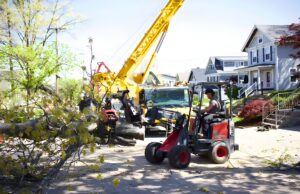
Fall cleanup usually means clearing garden beds, raking leaves, and fitting in the last few mows before the yard settles in for the season. It’s also a good time to look up at your trees and decide whether anything needs attention before you cross outdoor projects off the list until spring.
Some tree work is worth scheduling now, while other projects can safely wait until next year. The difference depends on what you’re seeing, the type of work the tree needs, and whether delaying it could create a safety or tree health concern.
Key Takeaways
- Fall is the right time to have branch damage, a new lean, or canopy dieback from this year’s growing season checked, even if it doesn’t look urgent yet.
- Noticing a concern doesn’t mean pruning or removal is automatically necessary, that’s what a professional assessment determines.
- Dead, broken, or hazardous branches should come down immediately, while more extensive structural pruning can typically wait for dormant season.
- Tree removal timing depends on the tree’s condition, risk, and site access, so a stable tree doesn’t need to be removed just because winter is approaching.
- Stump grinding can be scheduled with removal or later, depending on what you plan to do with the space.
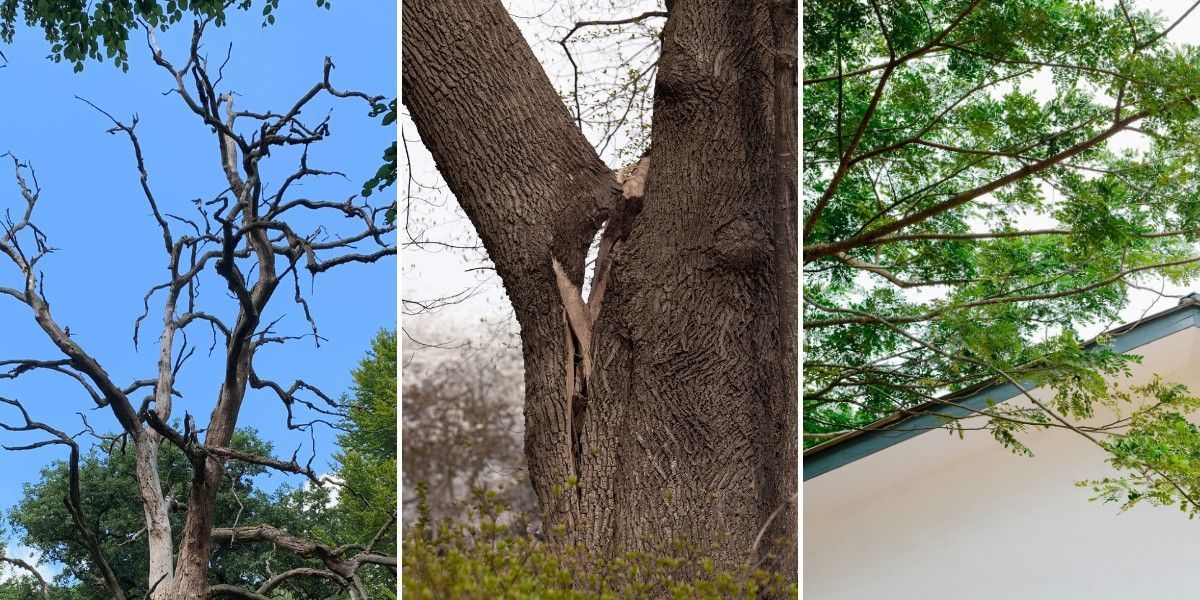
Dead wood, a split trunk, and limbs over the roof are exactly the kind of tree concerns to have checked before winter.
What Tree Concerns Should You Have Checked Before Winter?
Damaged or dead branches, a new lean, thinning canopy, and trunk damage are the main issues to have checked before winter comes. An entire growing season gives trees plenty of chances to show this kind of stress, and they’re often easiest to notice before leaves drop. Have an ISA Certified Arborist evaluate:
- Dead or hanging branches anywhere in the canopy
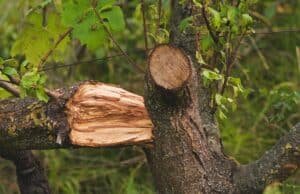
- Cracked, split, or storm-damaged limbs from this year’s weather
- Branches rubbing against or hanging over your roof, siding, or driveway
- A lean that’s new or has become more noticeable this year
- Cavities, decay, or visible damage on the trunk
- Sparse foliage, dead sections of canopy, or areas that didn’t leaf out normally this spring
- Root disturbance or noticeable changes in the ground around the base of the tree
A struggling tree isn’t necessarily a dead tree. Sparse foliage, dead branches, or an area that failed to leaf out can signal decline without meaning the entire tree is lost. Knowing the difference between a dead and a dying tree can help you understand which symptoms point to an active problem and which indicate the tree has already died.
How Does the Time of Year Affect Tree Work?
The arrival of winter doesn’t create the same deadline for every type of tree work. Pruning may be timed around dormancy and tree health, while removal depends more on the tree’s condition, the risk it poses, and whether crews can safely access the site. Stump grinding is usually the most flexible and can often wait if the stump isn’t creating an immediate problem.
Property conditions can also affect scheduling. Extended wet weather can leave lawns too soft for heavy equipment, while winter storms can shift crews toward emergency tree work and make non-urgent appointments harder to schedule.
If you’re deciding whether a problem calls for pruning or taking the tree down, the location and extent of the damage matter more than the approaching season. Lefke Tree’s guide to tree pruning vs. removal explains how to tell which service may be appropriate.
What Pruning Work Should Be Scheduled Before Winter?
Pruning doesn’t follow one seasonal deadline. Dead, broken, or hazardous branches should be addressed when they’re identified rather than left in place while you wait for dormancy. Planned pruning, including structural work or general canopy maintenance, often has more flexibility and may be better timed for the dormant season after leaves have dropped.
The ideal window still depends on the species, the tree’s condition, and what the pruning is intended to accomplish. Learn more about the best time to prune large trees before deciding whether the work belongs on your fall schedule or can wait until later in the dormant season.
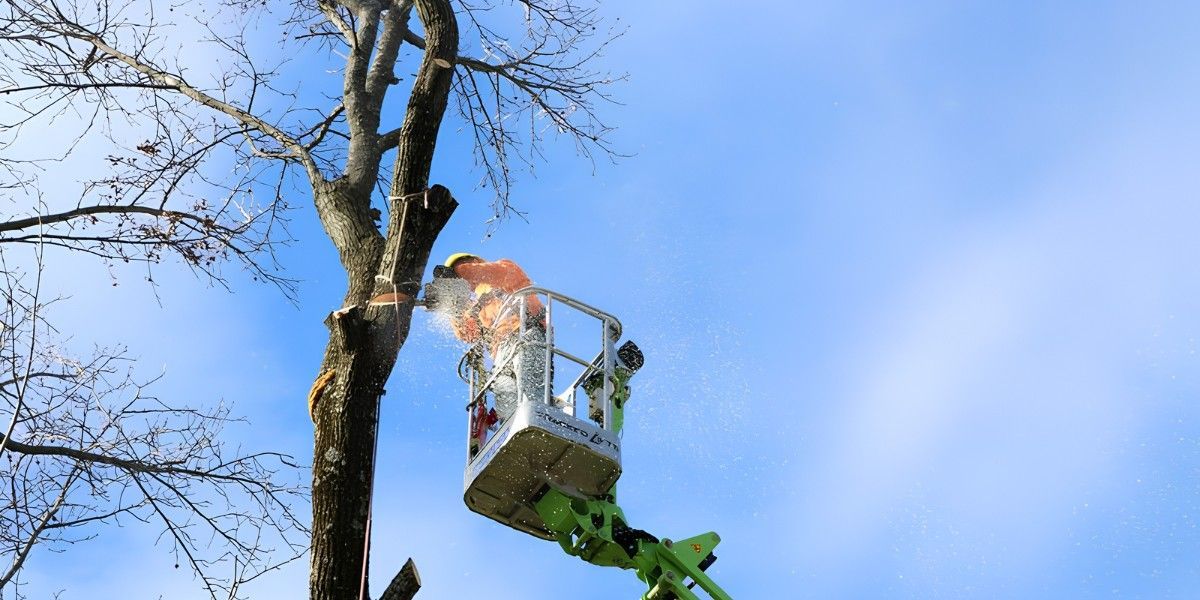
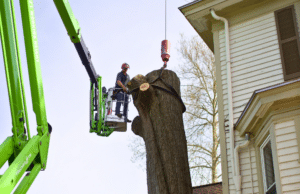
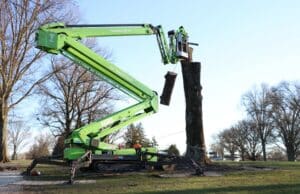
Tree removal can be scheduled whenever weather, ground conditions, and site access allow crews to work safely.
Does Tree Removal Need to Wait Until the Dormant Season?
A tree being removed isn’t being asked to heal or grow afterward, so the seasonal restrictions that apply to certain pruning cuts don’t apply. If removal is the right call, timing depends on the tree’s condition, urgency, site access, and your own plans:
- Non-Urgent Removal : A stable tree recommended for removal doesn’t become an emergency just because winter is approaching. Schedule it for whenever it fits your plans and the crew’s availability.
- Urgent Removal : A tree posing a genuine risk to your home, family, or neighbors shouldn’t be left standing until a particular season. If it needs to come down, it needs to come down now.
Scheduling Stump Grinding with Removal
Usually, stump grinding can be planned as part of the same removal project, but timing isn’t urgent:
- Grind Right Away : Reclaims usable yard space, makes mowing easier, and eliminates a trip hazard
- Wait to Grind : Fine if you’re not sure yet what you want to do with the space; grinding can happen later
Frequently Asked Questions About Tree Work Before Winter
Can I assess my tree myself?
You can handle basic fall cleanup such as picking up fallen branches and clearing small debris around your trees. Pruning that requires a ladder, climbing, or a chainsaw, as well as work involving large limbs, structural defects, or tree removal, should be left to a professional tree care crew.
What happens if I ignore a hazardous tree over the winter?
Ice, snow load, and wind gusts add extra weight and stress that can turn a weak branch or trunk into a failure, sometimes without warning. That’s the main reason hazardous branches or trees get addressed as soon as they’re flagged rather than left for a specific time of year.
Does snow or frozen ground affect tree work later in winter?
Solidly frozen ground often isn’t the main obstacle, since it can support equipment better than the wet, saturated ground common in early fall. Heavy snow and ice are the bigger scheduling issue, since crews need clear visibility and safe footing to work, which is part of why planning ahead in fall avoids weather-related delays.
How far in advance should I schedule tree work before winter?
Book within the first few weeks of fall if you want the most flexibility. Once winter storm calls start coming in, non-urgent pruning and removal often get pushed to whatever openings remain, which can mean waiting until spring rather than getting it handled this season.
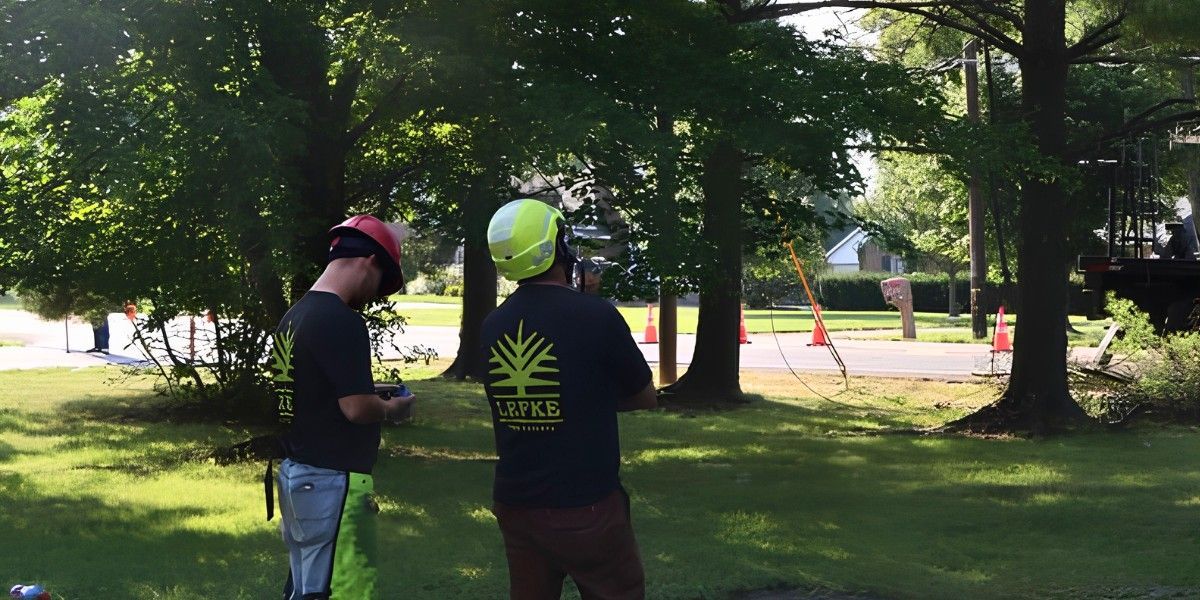
Lefke’s crew evaluates each tree in person, so the recommendation is based on what’s actually best for your property.
Schedule Your Pre-Winter Tree Work With Lefke Tree Experts
Not every tree project needs to be finished before winter arrives. If you’ve noticed dead branches, storm damage, a concerning lean, or another issue while wrapping up your fall yard work, Lefke Tree Experts can evaluate the tree and help you determine what should be addressed now and what can safely wait.
Request an estimate to have your trees evaluated and get the right work on the schedule at the right time.